Quick summary: This guide explains practical, research-focused best practices for storing and handling peptides—especially lyophilized (freeze-dried) peptides—including temperature, light exposure, moisture control, and general reconstitution considerations. It is written for research and educational purposes only.
Table of contents
- Why peptide storage matters
- Common peptide forms: lyophilized vs solution
- Temperature basics (room temp vs fridge vs freezer)
- Light, moisture, and oxidation: the silent degraders
- Reconstitution basics (high-level)
- Labeling, aliquoting, and handling workflow
- FAQ
- References
Why peptide storage matters
Peptides are chains of amino acids. Their stability can be affected by temperature, pH, light exposure, moisture, and repeated freeze–thaw cycles. When peptides degrade, research results can become inconsistent—leading to wasted time, wasted materials, and unreliable conclusions.
Because storage needs vary by sequence and formulation, the goal is not to memorize one rule—but to follow general stability principles and then confirm the storage recommendations for each specific peptide and format.
Common peptide forms: lyophilized vs solution
Lyophilized (freeze-dried) peptides
Lyophilized peptides are often more stable than peptides kept in solution. Stability improves when you minimize exposure to air and moisture and store at appropriate cold temperatures.
Peptides in solution
Once in solution, many peptides become less stable over time. Degradation rates can increase depending on solvent composition, concentration, temperature, and contamination risk. For many workflows, researchers use aliquots to reduce repeated freeze–thaw cycles.
Temperature basics (room temp vs fridge vs freezer)
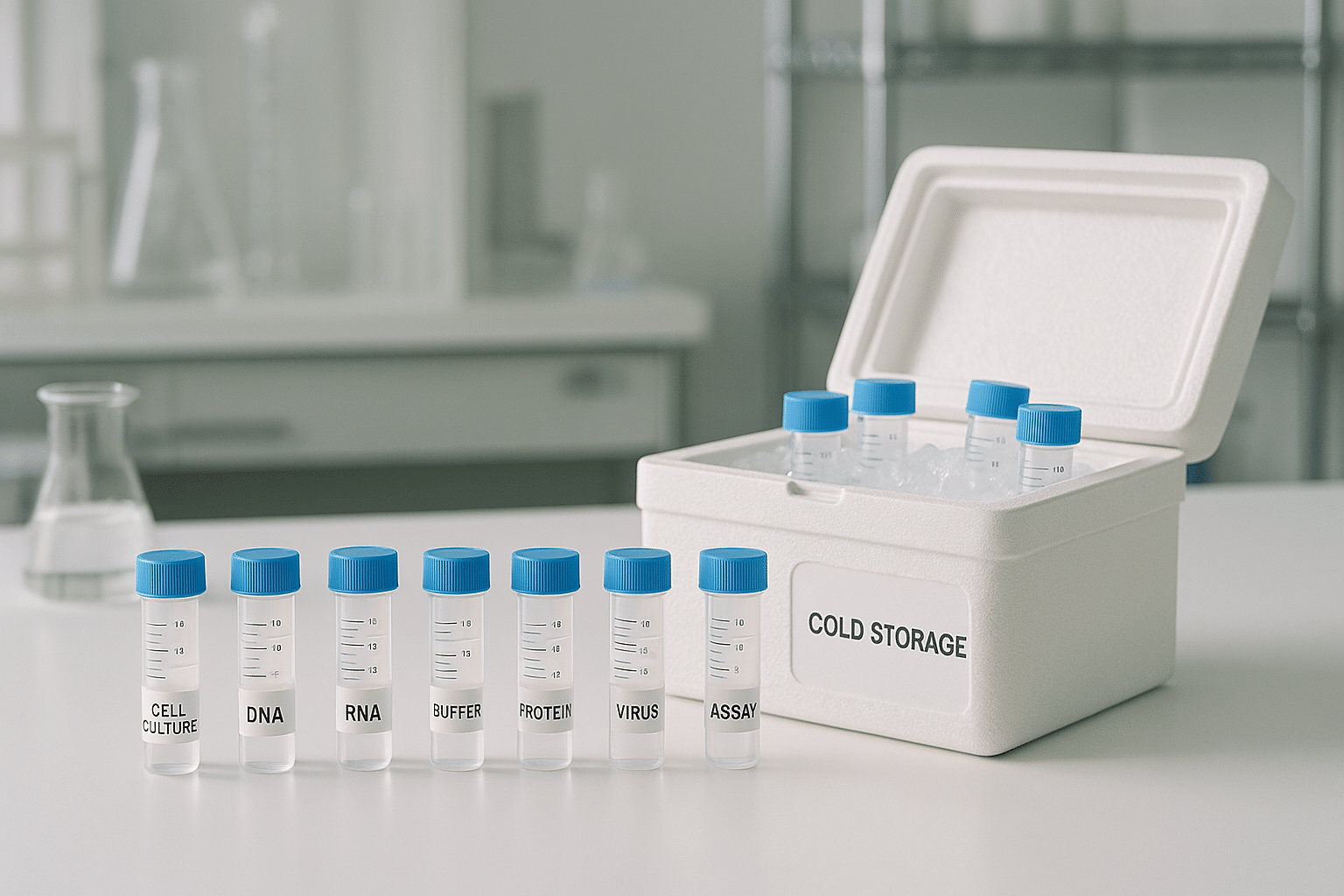
Temperature is one of the most important variables. In general:
- Short-term handling at room temperature may be unavoidable during setup, but avoid leaving peptides out longer than necessary.
- Refrigeration can slow degradation for short-term storage in some cases.
- Freezing (often at standard lab freezer temperatures or lower) is commonly used for longer-term storage—especially for lyophilized material and aliquoted solutions.
Best practice: If you’re planning to use a peptide repeatedly, prepare aliquots so each vial is thawed once, used, and discarded—rather than thawing the same vial repeatedly.
Light, moisture, and oxidation: the silent degraders
Light exposure
Some peptides are photosensitive. Protecting materials from direct light and storing in appropriate containers (e.g., amber vials when relevant) helps reduce risk.
Moisture control
Moisture is a common cause of degradation for lyophilized peptides. Avoid leaving vials open and limit time exposed to humid air. If your workflow involves frequent opening, consider smaller vial sizes or aliquoting.
Oxidation
Oxidation risk can vary by peptide composition. Minimizing unnecessary exposure to air and using clean, contamination-minimizing handling practices reduces risk.
Reconstitution basics (high-level)
Important: This section is intentionally high-level and does not provide dosing, protocols, or administration guidance.
When reconstituting a lyophilized peptide for research use, researchers generally focus on:
- Using a solvent compatible with the peptide’s stability profile
- Maintaining cleanliness to avoid introducing contaminants
- Mixing gently to reduce foaming or denaturation risk (depends on peptide)
- Creating aliquots for repeatability and to reduce freeze–thaw cycles
If you need exact handling parameters, rely on the peptide’s documentation and established lab SOPs.
Labeling, aliquoting, and handling workflow
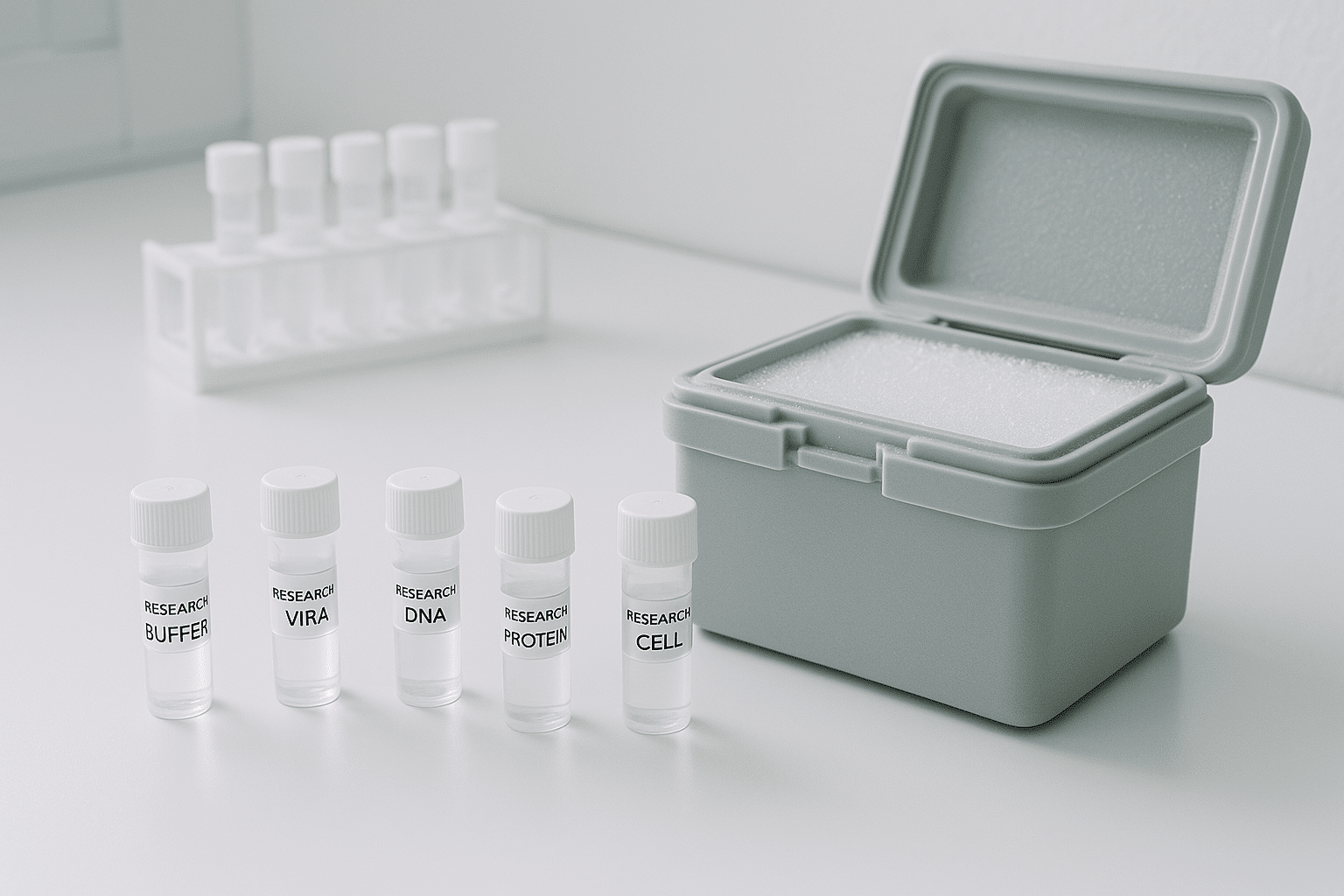
A simple workflow that keeps research organized:
- Label each vial with peptide name, concentration (if applicable), solvent (if applicable), and date prepared.
- Aliquot into multiple smaller vials when repeat use is expected.
- Record storage location and any special notes (light-sensitive, short stability window, etc.).
- Avoid repeated freeze–thaw by using one aliquot per session.
FAQ
How long can a research peptide be stored?
It depends on the peptide sequence, format (lyophilized vs solution), storage temperature, and exposure to moisture/light. Always confirm guidance for the specific peptide and format you’re using.
What is the biggest mistake researchers make with peptide storage?
Repeated freeze–thaw cycles and unnecessary exposure to moisture (especially with lyophilized material) are two common causes of avoidable degradation risk.
Do all peptides require freezer storage?
Not necessarily. Requirements vary. Many are stored frozen for longer-term stability, but you should follow peptide-specific documentation and lab SOPs.
References
Disclaimer: This article is for educational and research information only. It does not provide medical advice, diagnosis, treatment, dosing, cycles, or administration instructions. Research materials may have legal and regulatory restrictions depending on jurisdiction. Follow applicable laws and institutional policies.
Commercial disclosure: This site may reference research product listings for informational purposes.